
Setting intention with aromatics, part one
the (not so) subtle energies of aromatherapy and my (brief) list of impressions so far


While this newsletter has largely been dedicated to contemplative approaches to aromatherapy by observing a singular spiritual aspect inspired by working with aromatic botanicals, I’d like to turn the multifaceted prism of botanical workings to focus attention on another and no less divine aspect of plant medicine - tuning into and working with the subtle energies of aromatic botanicals. (But maybe I’ve been dropping breadcrumbs all along.)
Regardless of one’s spiritual/religious traditions, botanical aroma has acted as courier, protector, counselor, guide, teacher, matchmaker, muse, nurse, mother, and more. From high mass to Indigenous ceremonies, botanicals and their fragrant aromas, not only serve a symbolic function but potent spiritually energetic purpose as well. By now, we are becoming more aware of the effect botanical aromas have on the psyche as more and more studies prove their efficacy in alleviating some symptoms of cognitive and emotional disorders. But before the lab, there was ritual and reverence. There was intention and observation.
When divinity was wild, wind-whipped and mineral rich, women healers knew which plants to call upon when asked for help. Geraniums guarded doors and windows. Pines fortified. Lavender transmuted. Sweet marjoram soothed. And hyssop cleansed. In my own garden, I watched a large praying mantis in pursuit of its mate lose itself in a forest of clary sage, no doubt hypnotized by the musky sweet aroma of the leaves, its original intentions diverted.
The ancients, and those not so far back, were well aware of the therapeutic properties and cautions of botanicals. It was an integral part of their survival, their medicine, their ritual. The heritage of employing these same botanicals into our intentional work today is no mistake. It is the legacy of community, of healers and ultimately the plant’s gift and spirit refusing to be forgotten.
Is intentional work with botanicals witchy? If that’s so, what do you call incense wafting down the aisle during the high holy holidays? Both practices create intention. To heal, to ward off, to focus on the good, the divine. All you have to do to realize how vibrant intentional work with aromatics still is today in the secular world is pay attention to any high-end perfume’s marketing campaign. Words, images, and the aroma itself all create an experience we may choose to sink into and feel a connection with. Fragrance is considered no less an important element of style than a statement piece. The way we fragrance our homes, especially during the holidays, denote any number of messages. Welcome, enjoy, eat, stay, cozy-up, tuck in. In an artist’s space that intention might change to sink in, fly, move, stretch, levitate, deepen, grow, inspire, fight, vocalize, love. You see?
What do you intend to cultivate? Within yourself? Your home? Your professional or creative work? As an aromatherapist who creates custom blends, I create blends for myself and others that intend to support states of being and transition, purpose, and energetic support and clearing.
Intentional work is magical work is metaphysical work is holy work is quantum work. You can call it prayer with plants if you wanna, but all roads lead to the same place - what the heart desires and ultimately, what the Divine wishes for us to learn.
The following is a small list of botanical essential oils I most often work with and their associated uses in intentional work. The info that follows is partly based on my own observations and what others before me have written. See what resonates with you. This writing is by no means exhaustive (I still have more to write up). Ultimately, the energy shaping your intentions will direct the focus of your creation, however it’s my belief the botanicals will have their say in inspiring how your intentions land for the greater good.
*I had to split the original list into two parts as it was too long to send via email. There will be a part two forthcoming.
**With ALL of the essential oils, please check each and every one for contraindications (precautions) before use and use safely/with great care. Follow manufacturer guidelines or a reputable aromatherapy guide book before using these oils, please. Some metaphysical shops carry these herbs in their dried form, which is also a good and more affordable option. The following is simply a list of opinions and experiences with some fact mixed in. Take what’s useful, leave what isn’t.
Angelica Root (Angelica archangelica): when I need to hear the muses, the angels, I work with Angelica Root. Angelica Root is often associated with the flaming sword of Archangel Michael that cuts through all falsehoods and pretenses…not just of others, but most importantly our own. Rooty, herbaceous with slight pepper notes, Angelica gives another dimension to blends or in spaces that require bold but refined movement.
Atlas Cedarwood (Cedrus atlantica): when a need for grounded centering is indicated, most often associated with solar plexus chakra issues. Atlas Cedar’s warmth spreads like sunshine, like honey, from the gut towards the ends of our fingers and toes and crown.
Basil (Ocimum basilicum): another one to invite into the mix when creative work is on the table. Basil is a member of the mint family, which grows in abundance, so if your intentions are centered on creating flow and abundance, Basil is a great choice.
Benzoin (Styrax benzoin): when grounding and reconnection with one’s purpose and potential is in order. Benzoin carries vanilla-like notes, so it’s especially useful for those who are drawn to vanilla or the more gourmand-centered aromas.
Bergamot (Citrus aurantium var bergamia): to call upon when light, lightheartedness and joy is needed.
Chamomile, German (Anthemis recutita): when release and cooling down is indicated. When one needs to release their grip on control and outcomes.
Chamomile, Roman (Anthemis nobilis): for inviting a sense of flow and ease into our spaces, relationships, and psyche.
Cinnamon (Cinnamomum zeylanicum): when a certain heat and momentum is needed to act toward one’s visions and goals. For putting your money where your mouth is. What’s that saying, fortune favors the brave?
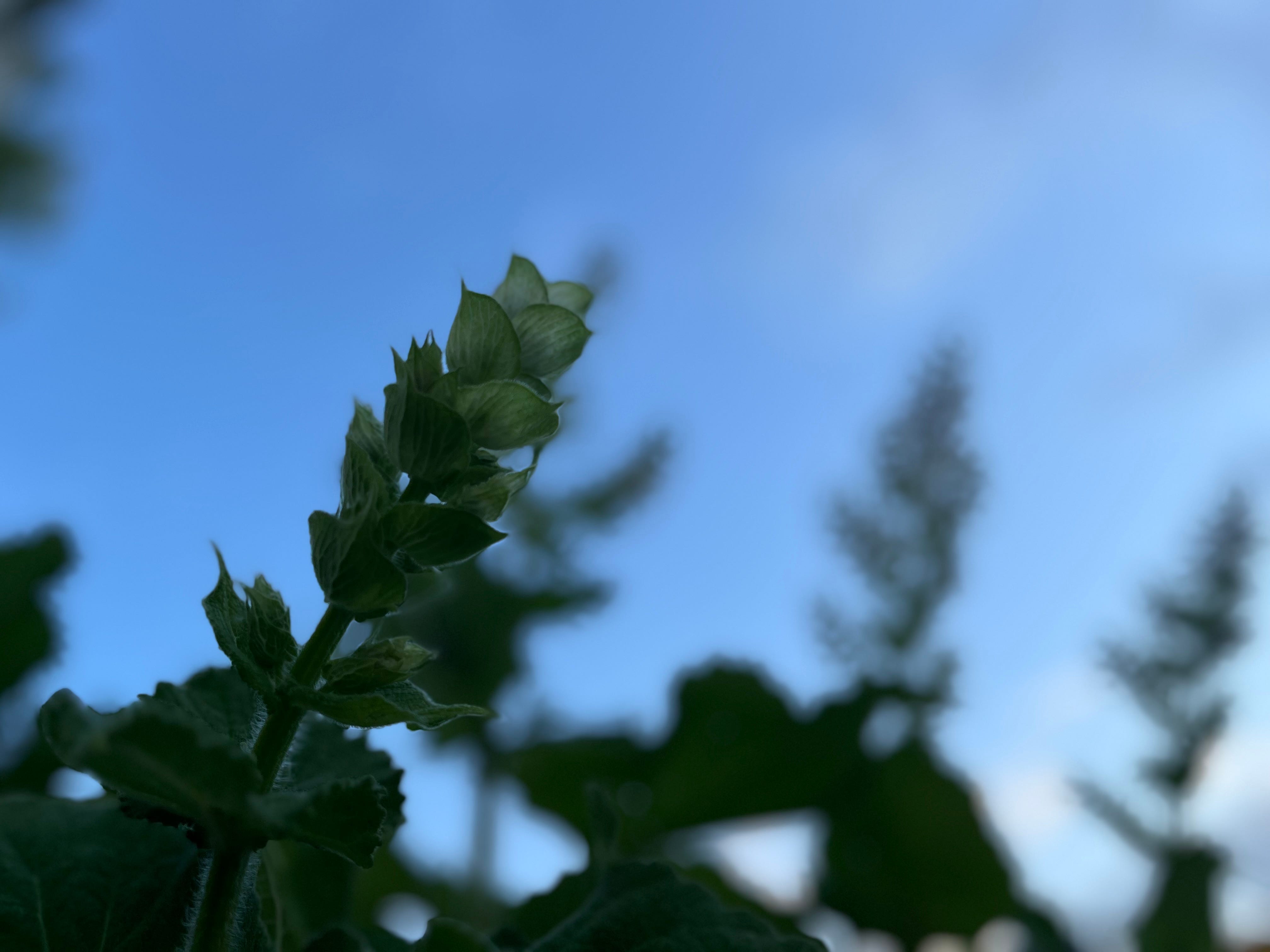
Clary Sage (Salvia sclarea): hello, euphoria. Oh my, when releasing self-judgement and feeling into our emotional waters and encouraging what dreams may come feels like the best medicine.
Clove (Eugenia caryophyllata): another powerful motivator and ally when courage is needed to act and also to shield unwanted negative energies. Clove is aligned with the planet Mars and the sign of Aries. It’s got you on all sides. Trust.
Cypress (Cupressus sempervirens): aligned with the sign of Scorpio, Cypress seeks to shepherd us toward the deep ends and edges of our comfort zone, which is often more about us confronting what is waiting to be understood and/or shed within. Challenging but necessary work. What we learn there deepens our compassion and understanding not just for ourselves but for others. De profundis.
Elemi (Canarium luzonicum): similar in aroma and nature to Frankincense, Elemi is for perspective, for movement and flow and is always asking us to turn things and situations on their sides to examine from another angle. For me, at least, Elemi offers another angle to consider.
Eucalyptus (Eucalyptus globulus): when creating a sense of space and expanse is needed even when space is limited. A broad view. A view from above. Aligned with the sign of Gemini, Eucalyptus offers us air to breathe and be.
Fennel (Foeniculum vulgare): when a certain sweetness is needed in one’s grounding. A reconnection to what nourishes and to perspective that offers patience and tolerance in one’s understanding. Fennel is gentle, balanced power in presence.
Frankincense (Boswellia carterii): wisdom, wisdom, wisdom. And more wisdom. Frankincense asks us to quiet the mind, hush the surroundings and tune into the wisdom of the universe, the creator, and our higher self, to all that is. Something to note when selecting Frankincense, it should present you with an aromatic prism of experience and not a singular, indistinguishable musty aroma. There should be light within the amber energy of this sacred resin. Avoid large bottles of Frankincense “essential oil” sold at discount retailers - it’s likely cut with either cheaper essential oils or other chemicals to make it affordable. That’s not to say the hefty price and MLM company charges for their Frankincense essential oil is justified. It’s just not, period. Aromatherapy’s origins didn’t begin within the requirements of a pricy membership.
Geranium (Pelargonium graveolens): There are still those who plant geraniums in window boxes and keep them in large clay pots on their doorstep to ward off bad energies. While the essential oil of geranium isn’t distilled from this common variety, its nurturing properties and energies nevertheless keep too much negativity and fear from overtaking our thoughts.
Ginger (Zingiber officinale): when a reconnection to passion for life is indicated, for warmth to find its way to the body and soul. For fostering cozy connections that instill a sense of clarity.
Grapefruit (Citrus paradisi): the Latin binomial says it all, the paradise citrus! Grapefruit aligns us with crystalline joy, unfiltered multi-directional light, and plenty of high vibrational bliss. Grapefruit puts an exclamation mark on all greatest good workings!
Helichrysum (Helichrysum italicum): when the need to return the energies of the sun into our energetic circles is necessary, Helichrysum or Everlasting or also known as Immortelle is there for us. I always think of Apollo when working with this beautiful botanical, and Christ’s halo. Helichrysum is known for its skin healing properties, even on old scars. What needs healing in our past and present? A wonderful ally to incorporate into sound healing practices.
Hyssop (Hyssopus officinalis): aids to the respiratory and immune systems give us clues about their metaphysical workings. Hyssop’s history as a master cleanser is Biblical. These aids are typically called upon in metaphysical workings to help shield us from that which seeks to pierce our armor. Feeling the need for a little divine protection? Hyssop’s aid is quick, direct and always encouraging.
Jasmine (Jasminum grandiflorum): when one needs to remember their inner beauty, the beauty of what is, what remains, and humanity, flaws and all. Jasmine sings, “let it be”.
Juniper (Juniperus communis): for the clarity a hike on a mountain path provides. Juniper helps us focus on what’s essential in the moment until completion, always guiding our vision back to the path when our attentions stray.
Labdanum (Cistus ladaniferus): a botanical oil that serves the heart chakra upward. We feel it in the lungs, we feel it ascend through the throat, the third, eye, the crown, beyond. When we hope to attain a certain intuition or vision. But keep in mind, true intuition serves the whole and when the divine wishes to show you the inner connections and spiraling nature of creation, it will.
Lavender (Lavandula angustifolia): the master cleanser, the transmuter, the arms that embrace us during all phases and stages. There is very little lavender can’t effect for the greatest good. An aromatherapy teacher I had called lavender a potentiator - a note one can add to any blend to better it in innumerable ways both aromatically and therapeutically. See what you experience.
Lemon (Citrus limon):
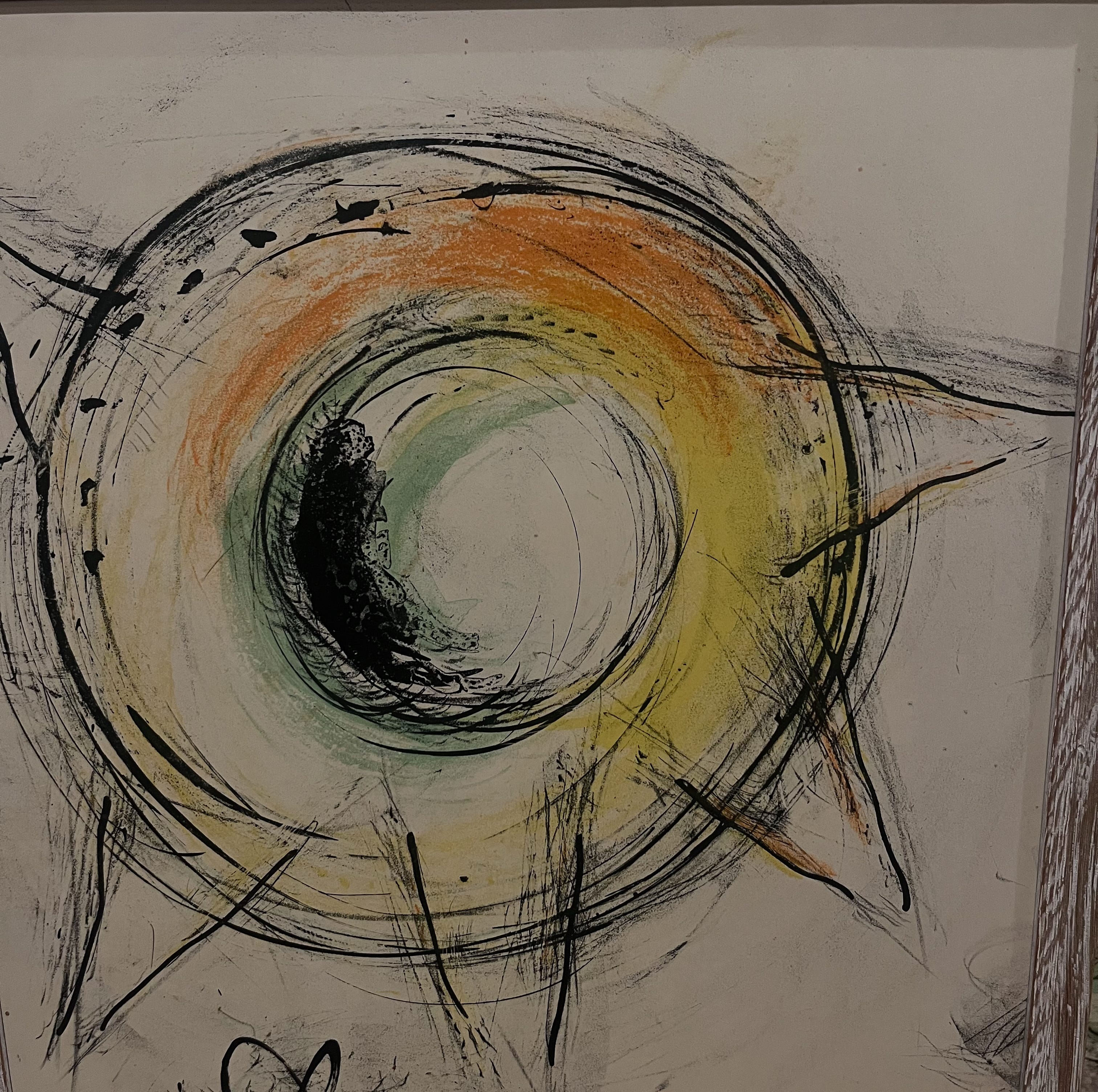
See that? That’s Marc Chagall’s sunshine. That’s lemon. Lemon is happy, sunshine, splashy, the light that sparkles on top of the ocean. Depending on how you use it, it’s light can be indirect and everywhere in small doses or direct and angular when it’s the primary note. It serves as a gentle bell clarifying the spaces around us and within.
Lime (Citrus aurantifolia): though all citrus boost the mood in general, citrus is not interchangeable in an aromatic blend and Lime proves this point. Its light is like a floodlight helping one to gain a rather creative perspective from a different angle. While I may reach for Lime not nearly as often as I reach for Grapefruit or Lemon, Lime nevertheless teaches me about the benefits of multidisciplinary creativity and simply setting a thing on its side for another view.
Linden Blossom (Tilia vulgaris): sweet, graceful, and something very slightly melancholic. If one’s heart feels a little like this (see below)…. I would choose Linden Blossom for those who need to feel this feeling in its entirety or for those who may need a little softening who would otherwise keep such feelings at bay for fear of grief.
Mandarin (Citrus reticulata): pure play and creativity. Warmth and finger painting. Seeing what this is, picking up that thing, feeling what this feels like. Tasting this thing. Plunking around on the piano to see what if. Mandarin invites us back into our sensory world as we once experienced as children. It reminds us adults to embrace play and to seize the day!
Marjoram, Sweet (Origanum majorana): the Latin by way of Greece translates to “joy of the mountains.” Beloved by Aphrodite, Sweet Marjoram’s gentle green and pungent fragrance inspires such beautiful serenity within the emotional heart. I once had a dream the night I worked with Sweet Marjoram, looking across a wide vista from a mountain top, all around me the most beautiful golden sunshine unlike anything I’ve ever seen. This is its gift.
Melissa (Melissa officinalis): AKA Lemon Balm. You might see this herb in herbal teas intended to inspire a gentle night’s rest and for good reason. Melissa, a member of the mint family that smells like lemon, “gladdens the heart” and serves to revitalize an over-worn nervous system.
Myrrh (Commiphora myrrha): a gift from the Magi foretelling an end, Myrrh helps us to come to terms with the finality of things, to let go with grace and move forward. Consider Myrrh’s cicatrisive (skin healing) properties…it will not leave us exposed in grief, but rather very well tended to, even though pain may be present.
Part two of this list will be published next week.
Sources
Throughout the course of my writing Aromatic Divina, I have listed many sources. Though most of what’s written here comes from my experiences working with the botanicals, which are my opinion, some information may be inspired by many authors I’ve read and referenced, all of whom I list in previous posts.
Of importance
It’s never necessary to buy any essential oils or botanical materials written about in my newsletters. Aromatic Divina is for educational/creative purposes only and is not intended to diagnose, treat, mitigate disease or substitute mental healthcare. Always follow safety best practices when working with essential oils and always check each oil’s contraindications before use. Never ingest essential oils. Consult your physician and/mental healthcare provider with questions and concerns.