
Setting intention with aroma, part two
the (not so) subtle energies of aromatherapy and my (brief) list of impressions so far

Last week, I published part one of this exploration of intentional work with aromatherapy with oils Angelica Root through Myrrh. This week, I’m offering observations from Neroli to Yuzu.
[A note to new readers about my writing - it’s a little unconventional as far as aroma writing goes. Take what serves, leave what doesn’t. I appreciate you taking the time to consider this free writing.]

Neroli (Citrus aurantium var amara): when florals shape change as light bearers, this is Neroli. Sweet, gentle, radiating, of course floral, Neroli reaches out to those whose wounds need the gentlest of TLC, no matter their origins. Otherworldly in its vibrations, Neroli seems to me to contain all sound, all color and what we experience is a unique distillation that speaks directly to the heart in whispers.
Nerolina (Melaleuca quinquenervia ct nerolidol): another precious gem from Australia, this unique blend of floral, fruity, slight wood and the slightest hint of camphor is ideal when a soft touch is needed to round out the edges of the more angular protective notes, like Niaouli, Eucalyptus, Sagebrush, for example. Are you a fan of the B side tracks and think you hate florals? Nerolina is for you. Feel like a spiritual walkabout? Nerolina.
Niaouli (Melaleuca quinquenervia): it’s second nature, perhaps, to pick up a camphoraceous note with the intention of protecting one’s space. There is a certain shielding element to it, after all, essential oils with this aroma profile tend to support the immune system and clear breathing. But I urge you to explore a little deeper with Niaouli. What do you notice when you work with such bracing aromas? We might use them to clear our space of energetic debris…the same could be applied toward mental debris.
Orange (Citrus sinensis): juicy, round, warm, with bounce, Sweet Orange, similar to Mandarin, offers a playful spirit when indicated but it also offers a bit more direction with its intentions. Kind of like a middle ground between the energies of Mandarin and Lemon. Avoid the mistake of thinking you know all there is to know about this note or discounting it entirely. Let it surprise you. (PS, Sweet Orange is considered the “anger management” essential oil.)
Orris Root (Iris pallida): Precious in nature, extraction, and very costly, Iris Root draws us into the inner blue-hued chambers of the artist’s heart, mind, and dreams when seeing the world through the eyes of art is necessary or when we wish to be understood as creators. With one foot firmly in the soil and one in another world, Orris Root celebrates the space between the terrestrial and the etheric. In my heart, I’m working on a blend for van Gogh and it contains Orris Root. (Helichrysum also comes to the fore for such a soul.)

Palmarosa (Cymbopogon martinii): sweet and rose-like, Palmarosa intends to encourage self-compassion, acceptance, and nurture. Therapeutically, Palmarosa acts as a heart tonic and carries stimulating properties. One can substitute Palmarosa for Rose Absolute when in a pinch or just to notice the subtle differences. Play around here and just notice.
Patchouli (Pogostemon cablin): rich, earthy, humus-like, Patchouli intends to imbue a space and our person with grounded focus and a sense of drive. Despite its associations with the carefree hippie movement of the 60s, Patchouli is actually kind of a driven element and inspires us to the same ends.
Pepper, Black (Piper nigrum): when one needs an Aries cheerleader or an energetic kickstart. Black Pepper’s warmth and slight spice adds a highly unique dimension to blends and, like lavender, acts as somewhat of a potentiator. One drop can go a long way, depending on the other notes involved. Working with both root and crown chakra centers, Black Pepper loves to lend its abundance of courage and determination to those who require the benefit of fire.
Peppermint (Mentha piperita): brisk, crisp, refreshing, minty, Peppermint enlivens and yet cools the mind and the senses. It’s like a clap of the hands to disperse stagnant energies in a room. I like to think Peppermint adds a certain mantle of starlight in sleep blends to help us find our way through our dreams. Sometimes, I’ll add just a touch in blends for the emotional heart or to lift up and underscore the other notes involved.
Petitgrain (Citrus aurantium): we owe a debt of gratitude to the bitter orange tree for giving us all it has - the fruit peel (Bergamot), its flower (Neroli), and its bark and leaves (Petitgrain). Green, slightly woody, with ever the slightest hint of floral notes, Petitgrain reminds us to take it easy. Enjoy the ride. Feel the cloud mist at the top of the canyons. Forgive what needs forgiven. Live. It’s this…
Pine (Pinus sylvestris):
Pine is reported to be the oldest living tree to have survived the Ice Age. So, take that into consideration. It’s a total bad ass. You want fortification, a bolstering of spirits, courage, direction, assurance, the power of the ancestors? Pine. It’s got you. With its roots deep in the earth and its green apex ever reaching heavenward, Pine inspires our thoughts to the divine, perhaps, within us and around us. When we are with Pine we notice the smell of its sap, the feel of its needles and how the wind whispers through its branches. Trappist monk Thomas Merton, who dearly loved the pine-infused mountains of Northern California had this to say, “Nothing has ever been said about God that hasn’t already been said better by the wind in the pine trees.”
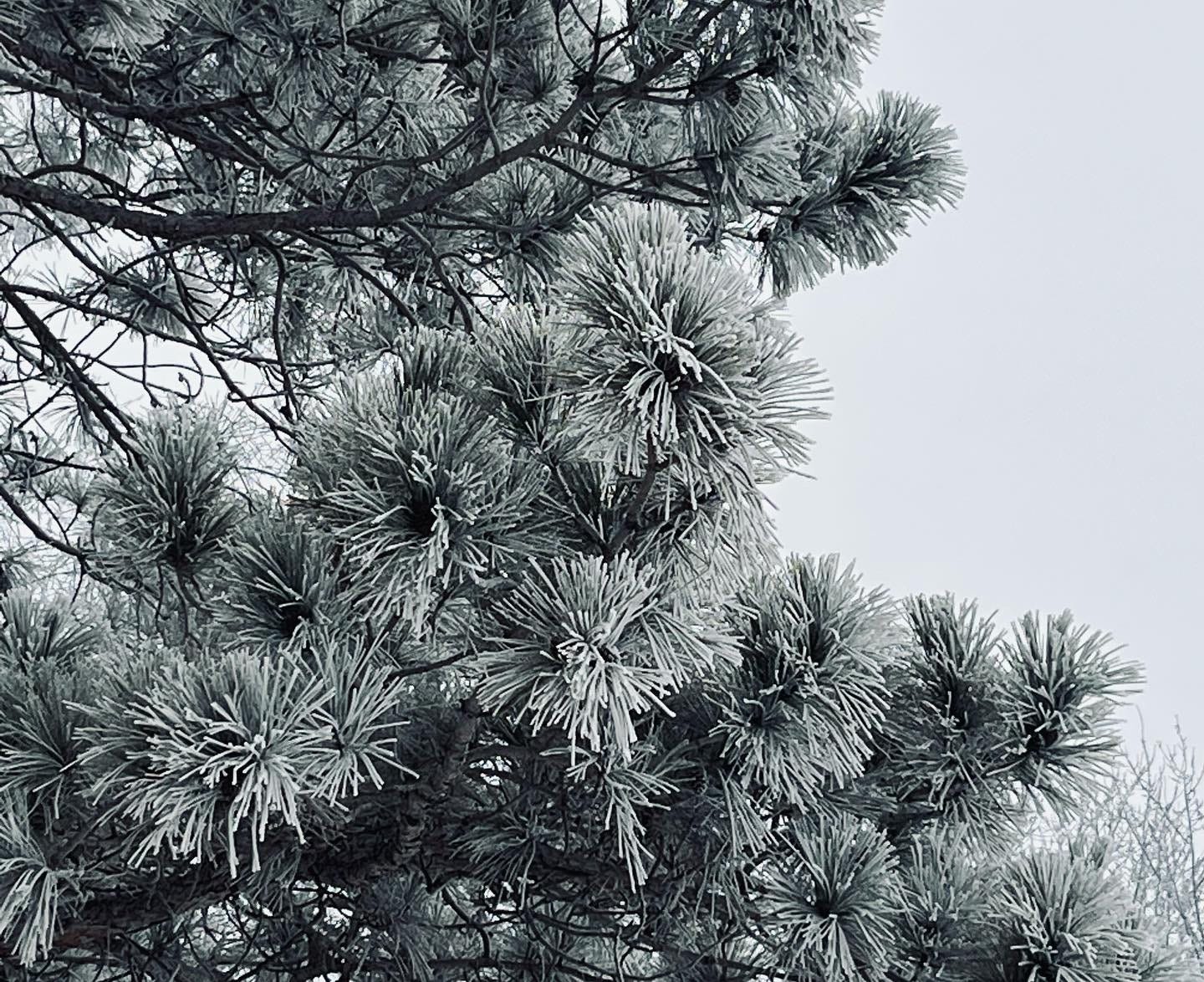
Piñon Pine (Pinus edulis): sweet with notes denoting its coniferous heritage, Piñon Pine carries the same energies of Scots Pine, mentioned above, fortifying, highly supportive, but it is the nature and energies of the American Southwest. It can quite literally take root and flourish out of the side of a dry, rocky canyon wall. Like Pine, it’s made to withstand the elements, its seeds offering those who dwell within its range, important nourishment. While we may not have hundreds or thousands of years of architectural evidence of our existence here in the US, we have the Piñons which serve as an example of the most important heritage we can witness. Blessed are those who watch over the Piñons and those who use its medicine with respect. We have much to learn here.
Ravensara (Ravensara aromatica):

Yep, that’s Ravensara.
Rhododendron (Rhododendron adamsii): where does an aroma “land” within you when you inhale its fragrance? What element might it connect you with most significantly? This is one of the first we begin to notice working with botanical oils for aiding both the physical and metaphysical healing processes. Rhododendron provides an excellent example of this experience through its air-like impressions. Lightly floral, lightly green, the unique aroma of Rhododendron gives one wings, aligning us with the air element. The variety I work with often is distilled from the leaves and flowering tops of Rhododendron plants from Siberia, which captivates my imagination to no end. After I had an opportunity to get to feel this aroma through impression I discovered its connection with respiratory health. When I work with Rhododendron, I feel its workings geometrically in my chest cavity, creating space. Like this…

Rose (Rosa damascena): Love. Rose is love. In every way, every form, every language and religion and spiritual path, Rose is love. What else is there to say? It’s the essential oil I blend most often with because it guides me and soothes my emotional heart. In energy work, despite what is called for, work on the root, the solar plexus, the throat, the crown, whatever, the heart chakra is the central hub, the fulcrum around which all energies flow. The heart guides all and touches all. Rose fortifies and empowers the emotional heart with the highest vibration for the greatest good, harming none. Amen.
Rosemary (Rosmarinus officinalis): “the dew of the sea”, as it is called in Latin. Bracing, sharp, crisp, herbaceous, camphoraceous, Rosemary animates the mind and the emotional heart with gladness, verve, and focus. Well-known for its benefits in supporting mental clarity and memory, Rosemary helps us to remember or awaken to our potential in a grounded and focused way.
Sage (Salvia officinalis): when insight and foresight is needed. When a cooling down of the emotions is necessary to access some calm and collected wisdom. St Hildegard of Bingen’s remedy for anger is 4 drops rose oil and 2 drops sage oil mixed in 1 teaspoon of olive or almond oil to be used in dabs. I like to add a drop or two this mixture to a milk bath while drinking a separate cup of nice, cold organic milk from one of my grandma’s old tea cups. After, I feel like the wise old gal who’s waiting for me to grow into my shoes is riding shotgun in my life. That’s my read, anyway.
Sagebrush (Artemesia tridentata):
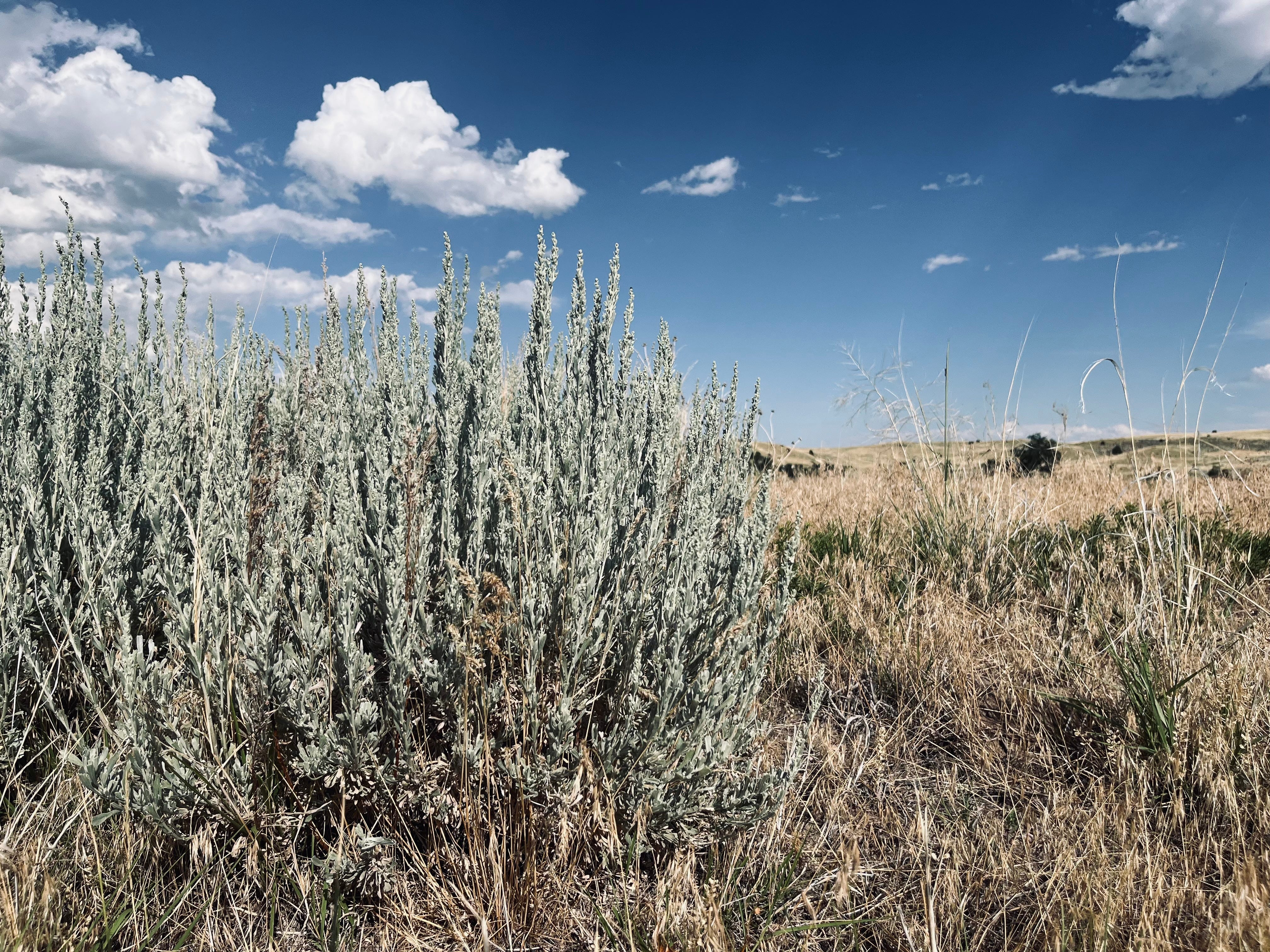
I stopped the car on the side of I90 headed west one hot July day driving across southern South Dakota through Lakota territory. For miles across gently rolling hills blanketed by tall Prairie grass flowing like the sea, dusty green shrubs flanked both sides of the road. I noticed their silver green leaves and sturdy woody stems, an indication of their respiratory benefits. When I opened the car door, a sun-baked medicinal, herbaceous aroma flooded my lungs and expanded my breath. This is the best way to experience Sagebrush, in its native place where it undisturbed and has room to roam. Say a prayer over it. Sagebrush is a powerful ally to be used sparingly and reverently.
Sandalwood (Santalum spicatum): ever been to a good sound bath? You know that resonant feeling you get right in the middle of your chest that ripples outward? That’s Sandalwood. Warm, rich, woody, slightly sweet, enveloping, Sandalwood is distilled from the heartwood of the Sandalwood tree once the tree has grown to maturation (at the least, 30 years). Imagine the energy of this essence. Sacred in Hindu and Buddhist practices, Sandalwood imparts love and acceptance in all blends and where any space is needing a kind clearing. Use with care and respect. While the Santalum spicatum variety usually is harvested from sustainable groves in Australia, Santalum album, native to India, was nearly extinct due to consumer demand and prohibited for export in order to protect this most sacred botanical.
Spikenard (Nardostachys jatamansi): rooty, of the earth, musty with similarities in aroma and effect to Valerian Root, an oil most precious and holy to those in the Christian faith, Spikenard or “‘Nard” was the oil many say the Godmother of Aromatherapy, Mary of Magdala, anointed Christ’s feet with before his fated end. Distilled from a root that grows high in the Himalayas, I wonder how it came into Mary’s hands. Deeply calming and sedating, Spikenard’s transformative effect helps us forgive and break free from that which keeps us chained to the low ebbs and grooves we often find ourselves in out of fear or out of the comfort of the familiar. I use this note very rarely due to its endangered status (I still have my original bottle from class from years ago). There are some companies, however, that offer sustainable varieties.
Thyme (Thymus vulgaris): I don’t often use Thyme in my blends but when I do, it’s for one of two reasons: to disinfect and protect (during the dark days of 2020) or because it’s been specially requested, which has been exactly once for a massage blend. Surprisingly, many of my fellow bodywork classmates gravitated towards Thyme’s warm, herbaceous pungency which got me thinking. While an unusual request for massage, it does seem to join in energy to that of Rosemary in its strengthening and enlivening effects on the psyche. Aligned with the element of air, I suppose its expectorant nature makes me consider, again and again, the true gift and power we have when can breathe unencumbered.
Vetiver (Vetiveria zizanioides): you learn much about an essential oil’s energy and all around vibe by observing how it frees itself from the bottle. And even more about your own nature. Vetiver moves like molasses, slow, thick. One can easily count the many seconds waiting for just one drop to fall. Most people shake the bottle, look directly into the dropper to see what’s going on. You can’t hurry Vetiver. Eventually, it arrives in a thick glob and makes its slow descent to the bottom of a vial filled with carrier oil. I urge you to keep watching. Watch how it plunges through all the other oils it may be mixed with and notice your nature while this happens. Can you keep your focus? Your patience? Your wonder? Vetiver teaches exactly that - patience and focus - and rewards those in awe. Deeply calming and centering, this “oil of tranquility”, as it’s called in its native Indonesia, is especially useful to those whose minds tend toward distraction due to worry. Slightly sweet, smoky, earthy, vetiver imparts a sense of reassurance, a deep grounding that holds us though some winds we fear may uproot us. I should also mention Vetiver is a long grass. Ever notice how long grasses withstand a storm?
Violet Leaf Absolute (Viola odorata): bright crushed green with slight floral notes, moving in spirit like water, magical like a fairy, I love using Violet Leaf in blends where a cool and quiet kind of magic is needed as an unlikely armor or talisman. In my mind, Violet Leaf is an ambassador of the humble floral world and shares her quiet strength with those who tend toward the gentle ways. She is a favorite of mine.

Yarrow (Achillea millefolium): known as staunchgrass and bloodwort, Yarrow received its Latin name, Achillea millefolium from its storied use by the Greek warrior, Achilles, who used the many little white flower heads and feather leaves of the herb to address his and others’ wounds during the Trojan War, stopping its bleeding. Yarrow is known for its cicatrisant and vulnerary action, which essential means the promotion of wound healing and tissue repair.
Can we hover over the word vulnerary? Holmes notes the meaning as, “treats wounds by promoting tissue healing.” (Aromatica, vol 2, 2019). Sharing the same Latin root vulnus “meaning “wound,” by way of the Late Latin adjective vulnerabilis….” (Mirriam Webster Dictionary, 2025). Yarrow is listed in the annals of Materia Medica as an aid when our physical bodies become open to attack. No doubt, this is perhaps one of the many reasons it’s noted as an herb of protection. (Excerpt from an earlier writing here.)
Ylang Ylang (Cananga odorata): sweet, full, highly floral, exotic and powdery, Ylang Ylang, a euphoriant, encourages diving deep into joy, expression, bright pink enthusiasm and confidence, exclamation point! In a blend, just one drop of Ylang Ylang can go a long way, so use with a steady hand. Whether it’s for a space or for the body, Ylang offers its big, beautiful boldness and a hand to hold when you’re ready to take the leap into your own divine muchness.
Yuzu (Citrus junos): the longer one stays at a practice or discipline, the more they tend to see the smaller details that are integral to the whole and realize their importance in the larger picture. Yuzu helps us to refine our vision, our thinking, our approaches to ceremony to honor the details. Offering its unique, soft bouquet of citrus notes, Yuzu moves delicately, with purpose and grace, finding peace in the stillness between the completion of one step and the beginning of another.
Peace,
Erin
Sources
Throughout the course of my writing Aromatic Divina, I have listed many sources. Though most of what’s written here comes from my experiences working with the botanicals, which are my opinion, some information may be inspired by many authors I’ve read and referenced, all of whom I list in previous posts.
Of importance
It’s never necessary to buy any essential oils or botanical materials written about in my newsletters. Aromatic Divina is for educational/creative purposes only and is not intended to diagnose, treat, mitigate disease or substitute mental healthcare. Always follow safety best practices when working with essential oils and always check each oil’s contraindications before use. Never ingest essential oils. Consult your physician and/mental healthcare provider with questions and concerns.
Beautiful! I have kept both parts of your thoughtful descriptions of these aromatic botanicals to read in more detail! Thank you!
Thanks for this!